

History
The history of the foundation is closely connected to the work of Mother Maria Herlinde Moises, a Franciscan Sister who arrived in Colombia in 1952 and dedicated her entire life to missionary work in her second home – the Bay of Cartagena de Indias.
As is the case with many successful stories, the origin of Fundación Madre Herlinda was also the result of a combination of circumstances and the determination of a remarkable personality. This is how it happened that, one day in February 1965, Herlinde Moises, as one of two sisters from Candelaria School in Cartagena, only intended to fulfill her pastoral work in the neighborhood of Pasacaballos. However, the spiritual and material poverty of the people of this fishing village, founded in 1775 as a refuge for rebellious slaves from Cartagena, changed her plans.
Initially, the two sisters had gone there to carry out literacy work; nevertheless, the difficult living conditions of the people moved Herlinde to deepen her commitment and dedicate greater efforts to the population of this community.
As a consequence of this decision, the Fundación Social Cristiana was founded in Pasacaballos in May 1965, an organization that since then has carried out important development work in the region, always following its motto: “For the Glory of God and the Well-being of People.”
Specifically, the work is not only focused on the population of Pasacaballos but also serves the people of the surrounding communities of Ararca, Leticia, Recreo, Bocacerrada, Puerto Badel, Rocha, Lomas de Matunilla, Turbana, and Cañaveral. All of these communities have been left behind in terms of development, located around the Canal del Dique and the Bay of Cartagena, where their inhabitants make a living through agriculture, fishing, or small jobs in tourism.
One year after its establishment, in January 1966, the leadership of the Franciscan Order of Mary Help of Christians officially authorized the three sisters to settle in Pasacaballos. Thus, alongside Mother Herlinde, two other sisters, Adelina Lodzig and Fides Winsauer, with the blessing of their order, began their work in that community.
From that moment on, efforts to overcome the development gaps affecting the communities were intensified.
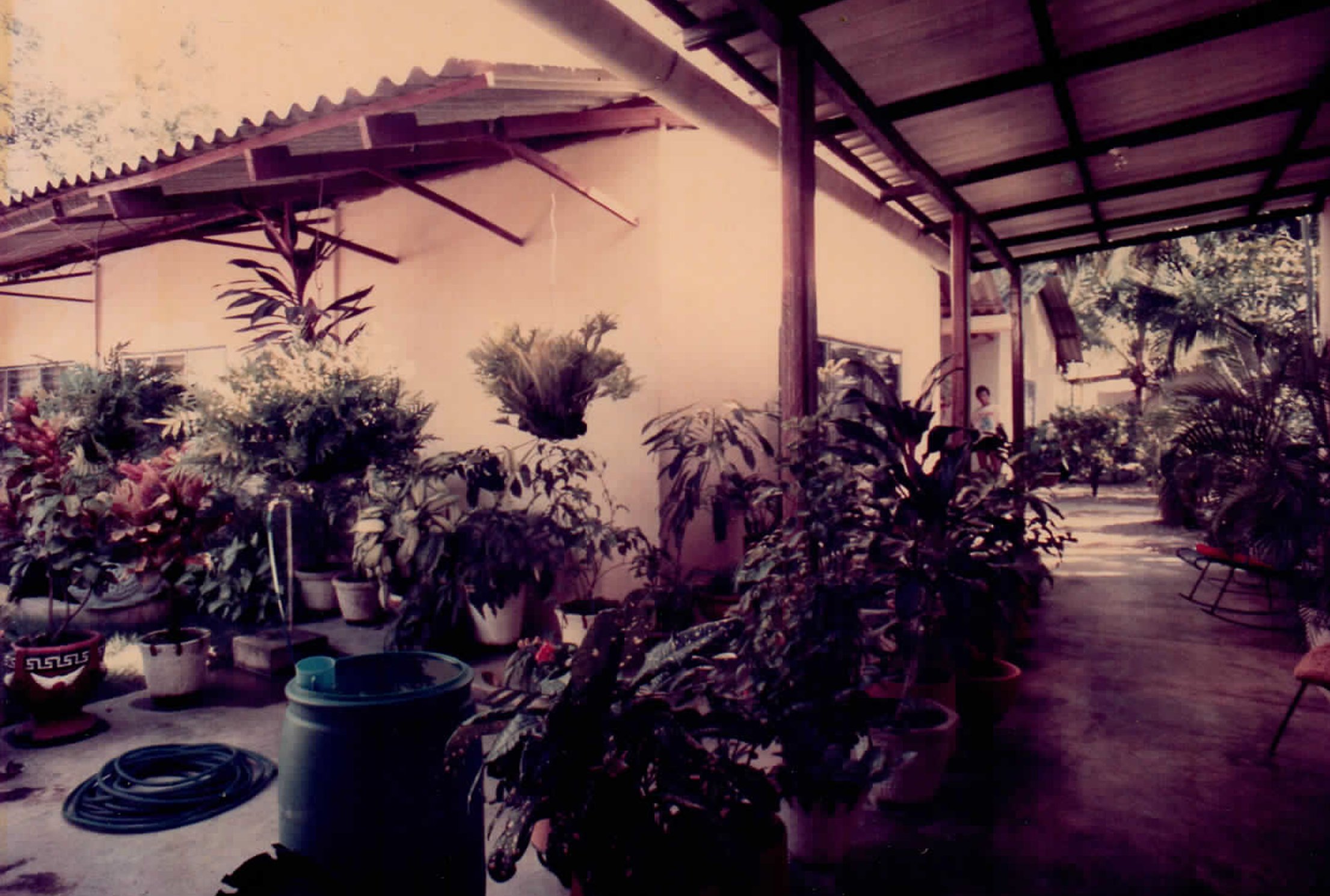
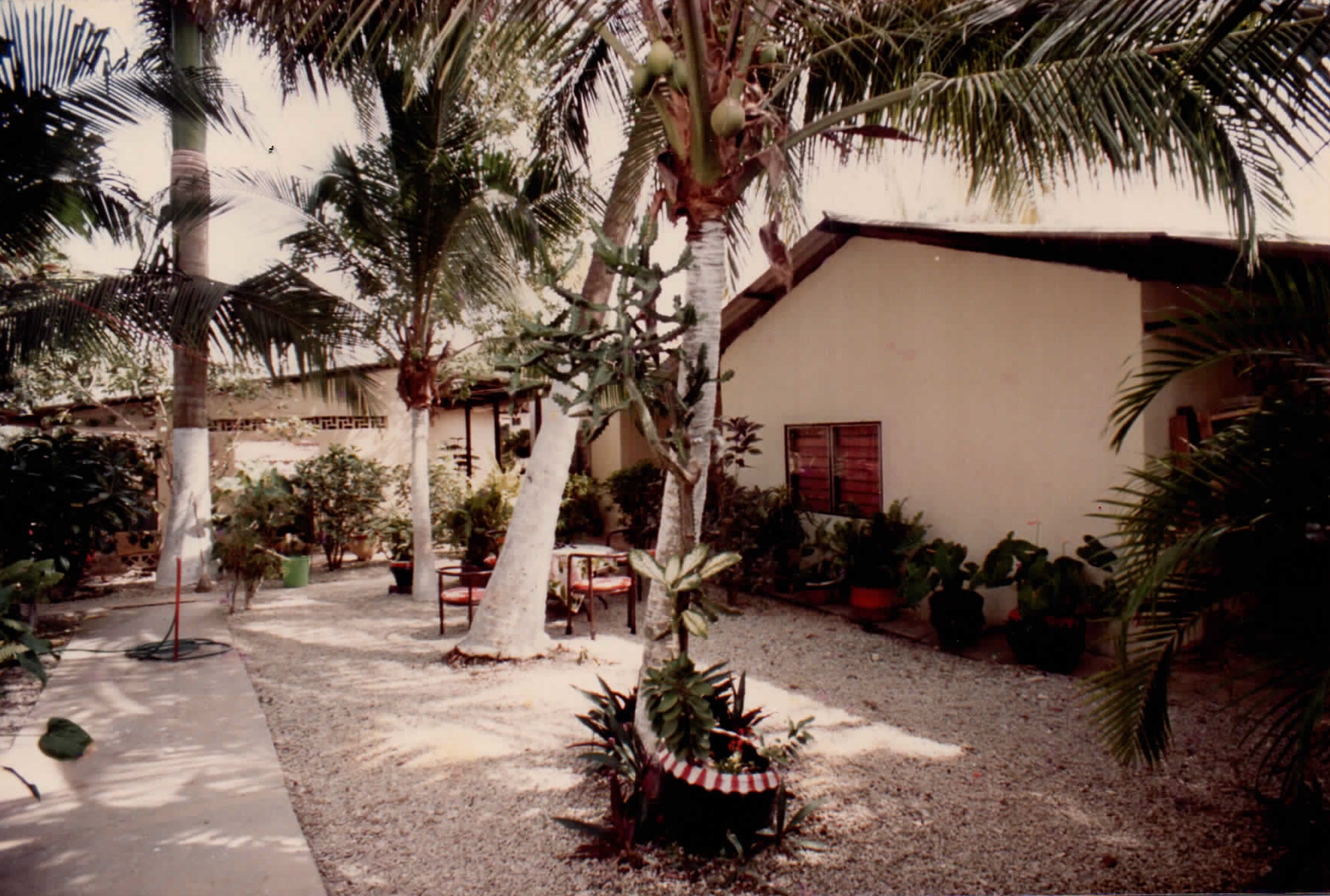
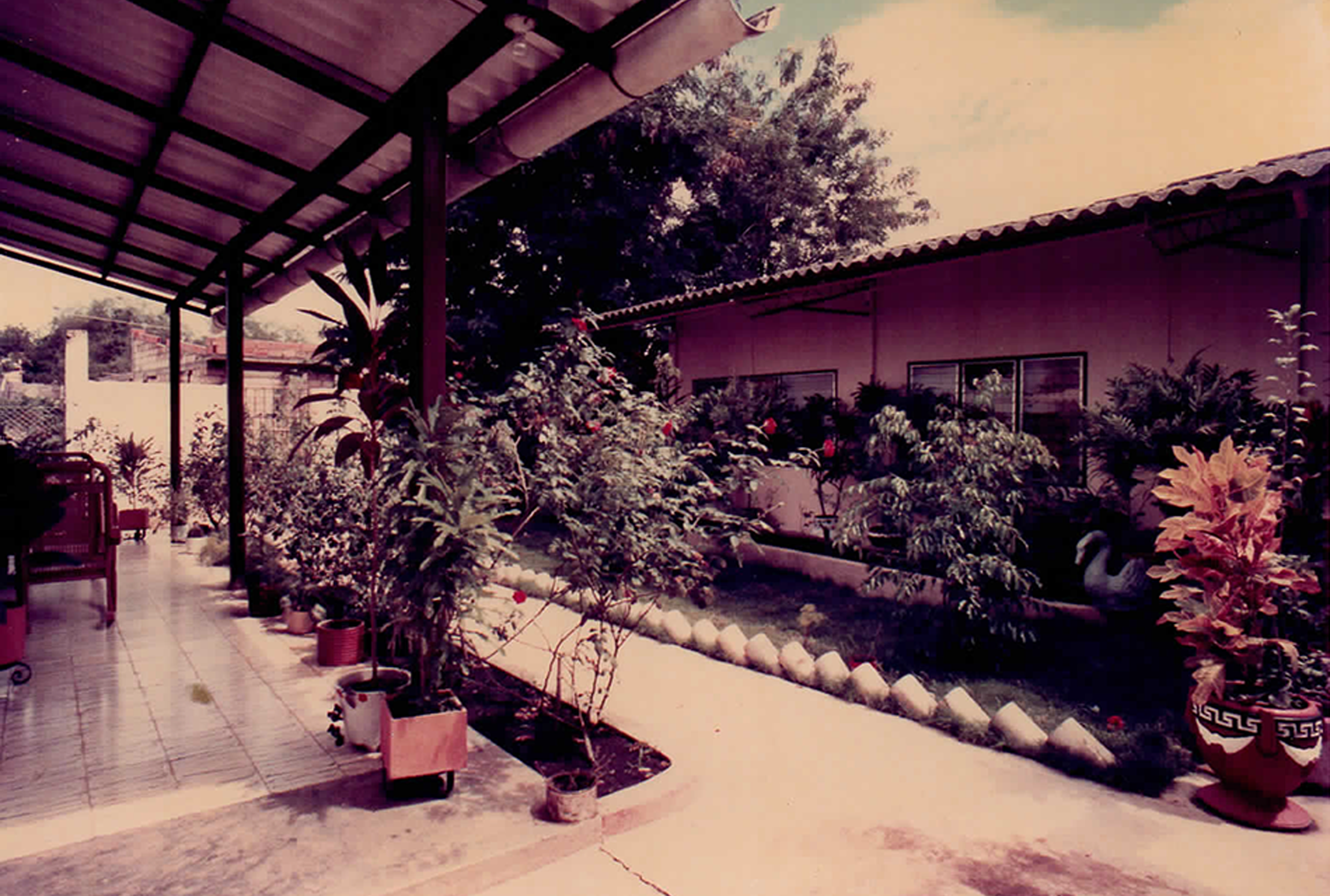
To provide a better overview of this successful history that has lasted for more than 50 years, we have summarized the most important milestones of Fundación Madre Herlinda Moises:
Años 1960
1967
In addition to educational work, improving healthcare services was one of the main tasks of the Fundación Social Cristiana. Therefore, the foundation team was expanded with two Austrian nurses, Agathe Nussbaum and Hermina Zopf, who came to Colombia as volunteers.
Although Colombian and international volunteers had always supported the mission, from a historical perspective these two women were the first official volunteers of the foundation.
It is also important to mention that missionary transportation was greatly facilitated by the donation from MIVA Austria, which provided the Pasacaballos team with a Land Rover off-road vehicle and a small boat.
1968
Mother Herlinde’s efforts were recognized by the Government of the Department of Bolívar, which appointed her as the education coordinator and inspector for the communities around the bay.
In this way, it became possible to connect the objectives of the mission with the objectives of the government.
Años 1970
1971
The community of Puerto Badel had to be relocated, and the search for new agricultural land became a difficult challenge. After intense negotiations, the missionary team, together with the community, succeeded in obtaining a total of 714 hectares of land.
1976
The missionary team’s efforts to respond to the needs of vulnerable people and rural communities led the police authorities to conclude that the collaborators, who were carrying out important work for the advancement of the communities under very difficult circumstances, were working with subversive movements.
For this reason, at the end of 1976, more than one hundred members of the Cartagena Marine Infantry raided the church of Pasacaballos and the missionaries’ office, hoping to find hidden weapons belonging to prohibited groups.
After a rough and turbulent search, during which no weapons were found, the military detained Mother Herlinde, Father Rafael Geney, and a farmer named Felipe, taking them to prison.
1977
In March 1977, the ordeal of the prisoners came to an end, and they were finally able to return to their mission location under certain conditions.
Besides this positive news, this year remains in our memory as the year of the environmental crisis in the Bay of Cartagena.
Many factories in the area failed to properly treat their wastewater, causing severe mercury contamination in the bay. This situation took away the livelihoods of many fishermen, as they could no longer work in the waters of Cartagena Bay, and many people refused to buy their catch.
As an environmental advocate from the very beginning, the foundation supported the fishermen and worked alongside them to demand stricter control of industrial companies.
1979
In August 1979, the congregation placed Mother Herlinde before a difficult decision: whether to continue as a member of her religious community or become part of the missionary team working in the bay.
With deep emotion, Mother Herlinde chose to remain with the missionary team because she was convinced that this was the way she could best serve God.
In February of the same year, the foundation’s cultural center, the Monsignor Rubén Isaza Restrepo Public Library, was inaugurated.
Años 1980
1982
On October 8, 1982, Mother Herlinde received the Monsignor Óscar Romero Award, granted by the Catholic Men’s Movement of Austria in recognition of her great commitment and dedication to people in need.
To personally receive the award, she traveled to Salzburg accompanied by her longtime colleague, Segismundo Acosta, affectionately known as “Segito”.
Upon her return to Colombia, Mother Herlinde was unpleasantly surprised when Colombian authorities denied her entry into the country, meaning that the missionary team had to continue its work without the support of its founder.
During this period, Father Luis Fernando Velásquez, volunteers Markus Buchal and Reinhold Oster, as well as other valuable members of the team, such as Mrs. Emilia, took responsibility for the foundation’s work.
1983
After stays in Madrid and Riobamba (Ecuador), Herlinde was finally able to return to Colombia on November 23, 1983, more than a year after being denied entry by Colombian authorities.
1986
Expansion of the school in Ararca by the parish community of Pasacaballos.
1988
Without a doubt, January 20, 1988, was a milestone in the history of the foundation, as on this day one of the missionaries’ greatest aspirations became a reality: the inauguration of a medical care center in Pasacaballos, open 24 hours a day to serve the community.
This institution, which became one of the foundation’s fundamental pillars for many years, was named after the Archbishop of Cartagena at that time, an important supporter of Mother Herlinde: Monsignor Rubén Isaza Restrepo.
Años 1990
1991
In this year, the Consolata Fathers, the missionary team of the bay area, and the community obtained the support and collaboration of the companies Ecopetrol, Colclinker, DRI, Petroquímica, and the shrimp farming companies Langostinos de Colombia and Agua Marina for the construction of a small aqueduct.
The aqueduct was inaugurated at the beginning of 1992 and has since provided drinking water to Ararca and the neighboring community of Santa Ana.
1993
In addition to the fifth anniversary of the medical center, there was another reason to celebrate: the Government of the Department of Bolívar awarded the missionary team a recognition for its work for the benefit of the community, which was received on International Women’s Day in 1993.
1994
The foundation received recognition from the Austrian Government for its continued work on behalf of people in need.
1998
In September 1998, the missionary team of the bay area published the book “Against Wind and Tide”, a work that tells the story of the beginnings of the foundation, the difficulties overcome by the missionaries, as well as the results of research carried out by the sisters in several evangelized communities.
Años 2000
2001
In this year, the medical center was expanded with the addition of a pharmacy. This new institution aims to provide its services at reduced prices, making them accessible to the local population.
2002
Fundación Social Cristiana received recognition from the Presidential Cabinet of the Republic of Colombia for 37 years of work promoting peace.
2006
November 20, 2006, was the day when our Mother Herlinde Moises passed away.
Although the diagnosis of her illness had prepared us for the possibility that she would not be with us forever, her death was a great shock for many people, not only within the foundation but far beyond it.
2007
Another important milestone in the history of FMHM was the inauguration of Escuela Madre Herlinda Moises, which was initially built in the Jorge Eliécer Gaitán neighborhood.
Since its creation, more than 350 students have received quality basic education.
2009
In April 2009, the Foundation purchased a piece of land on the Barú Peninsula, known as “El Lote.”
Años 2010
2017
In November 2017, as part of a small commemorative event, we looked back on the first 10 years of service provided by Escuela Madre Herlinda.
2018
Once the construction work on our kiosk was completed and the infrastructure for plant cultivation was prepared, we established February 18, 2018, as the starting date for our new project called “El Oasis de Jacquin.”
Together with our project partners, the 0.7% Club, represented by Austrian Ambassador Marianne Feldmann, and the Botanical Garden of Turbaco (Fundación Guillermo Piñeres), represented by Professor Santiago Madriñán, we inaugurated this area on the Barú Peninsula as a natural refuge for regional flora, as well as a meeting place for participants in our programs.
As significant progress has been made in recent years toward resolving the armed conflict in Colombia, Fundación Madre Herlinda Moises continues to support this path by actively contributing to the strengthening of the peace process.
Our contribution to achieving the long-awaited peace in the country consists of providing different services to victims of the conflict (legal assistance, medical care, and other forms of support), as well as working with communities on violence prevention projects and promoting a culture of peace.
Pastoral work plays an important role in this effort, as it provides an effective way to connect with Colombians and integrate them into the peace-building process.
Recognition
Throughout decades of work in Colombia, Mother Herlinda Moises and Fundación Madre Herlinda Moises (formerly FUNSCRI) have received numerous recognitions for their work from different Colombian and international institutions, including:
- Monsignor Romero Award for the fight and dedication to the poor. Catholic Men’s Organization of Austria. 1982.
- Recognition for the work carried out in benefit of the Bolivarian community. Government of Bolívar on International Women’s Day. 1993.
- Recognition for perseverance in the struggle for the poor. Government of Austria. 1994.
- Honorary Mention and second place in Colombia’s Cafam Woman Award. Seventh Cafam Woman Award in Colombia. Comfenalco Bolívar. 1995.
- Master Teacher Award. District Mayor’s Office of Cartagena. 1996.
- Recognition for perseverance in missionary work, especially for the poor. Archdiocese of Salzburg, Austria. 1998.
- Recognition for 36 years of cultural work in the communities of the Bay and the Canal del Dique. Mayor’s Office of Cartagena de Indias and the District Institute of Culture of Cartagena. 2001.
- Recognition to Fundación Social Cristiana for 37 years serving the promotion of peace. Presidency of the Republic of Colombia. 2002.
- Civil Order of Merit “Historical and Cultural Heritage of Humanity” in the rank of Grand Officer. District Council of Cartagena. 2005.
- Honor of Merit to Fundación Social Cristiana for its forty years of service to those most in need. CEDAL. 2005.
- Honorary Mention to Sister Herlinda Moises for her unconditional dedication during 40 years of service promoting the development of poor communities in Pasacaballos, with heartfelt gratitude and recognition.
Franciscan Missionary Sisters of Mary Help of Christians. 2005. - Monsignor Eugenio Biffi Cross. Archdiocesan Pastoral Commission. 2006.
- Honorary Mention for Commitment and Compliance in the management of the School and Adolescent Nutritional Assistance Program under the lunch program modality. Ministry of Social Protection. 2007.
- Bicentennial Medal of the Independence of Cartagena de Indias 1811–2011 awarded to Mother Herlinda Moises. Mayor’s Office of Cartagena de Indias. 2011.
In addition to the milestones listed above, the foundation also played a decisive role in the creation of the following organizations:
- Association of United Women of Pasacaballos – AMUPAC.
- Association of Women for the Integral Community Development of Puerto Badel – AMUDIC.
- Association of Women for the Progress of the District of Rocha – AMPRO.
- Association for the Future of Cañaveral – AFUCAÑA.
- Association for the Community Development of Turbana – ASODECOT.
- Sustainable Agricultural Association of the District of Pasacaballos – AGROCOP.