“The first step towards peace is the solution of social injustices”
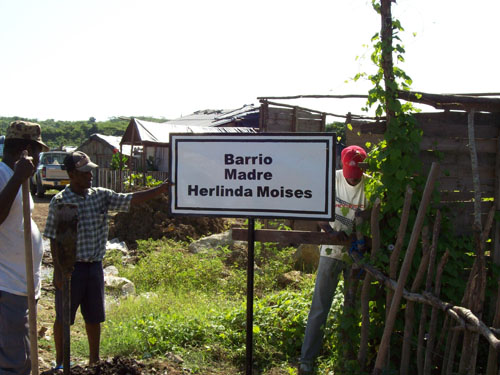
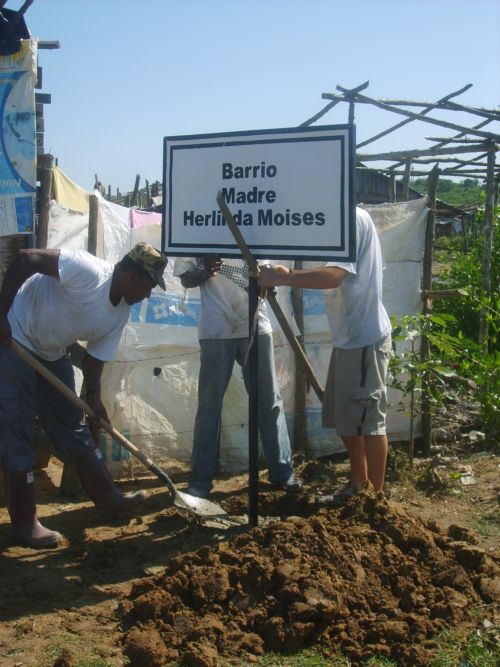
In 2007, approximately 100 inhabitants began occupying a piece of land near Pasacaballos and built their lives there. This territory is now known as Madre Herlinda Moises Neighborhood. Fundación Madre Herlinda took responsibility for the difficult living conditions faced by the inhabitants and became strongly involved in the process of legalizing the occupied land. When the legalization process was completed, the area was named Barrio Madre Herlinda in honor of the founder, who always helped the poorest communities.
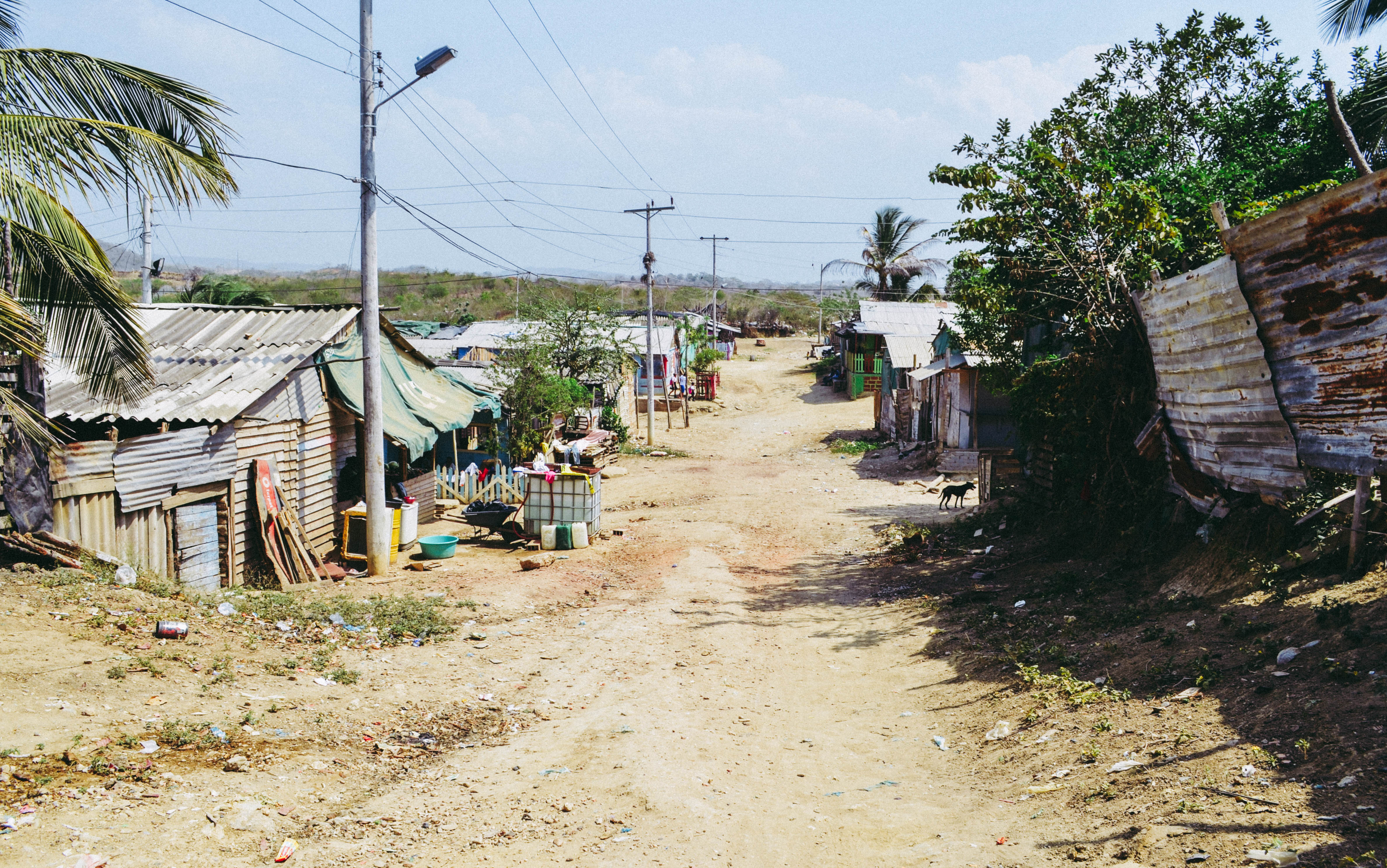
Over the last ten years, the population has grown significantly, and today around 350 people live there. In addition, through continuous efforts, the situation of Barrio Madre Herlinda Moises is steadily improving:
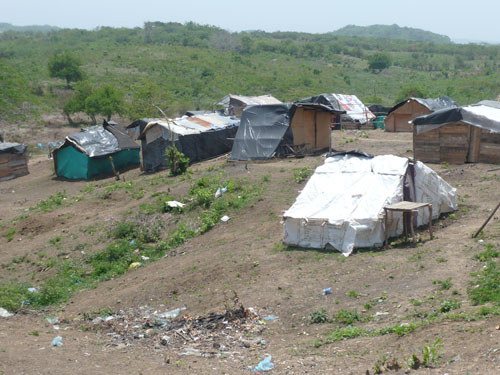
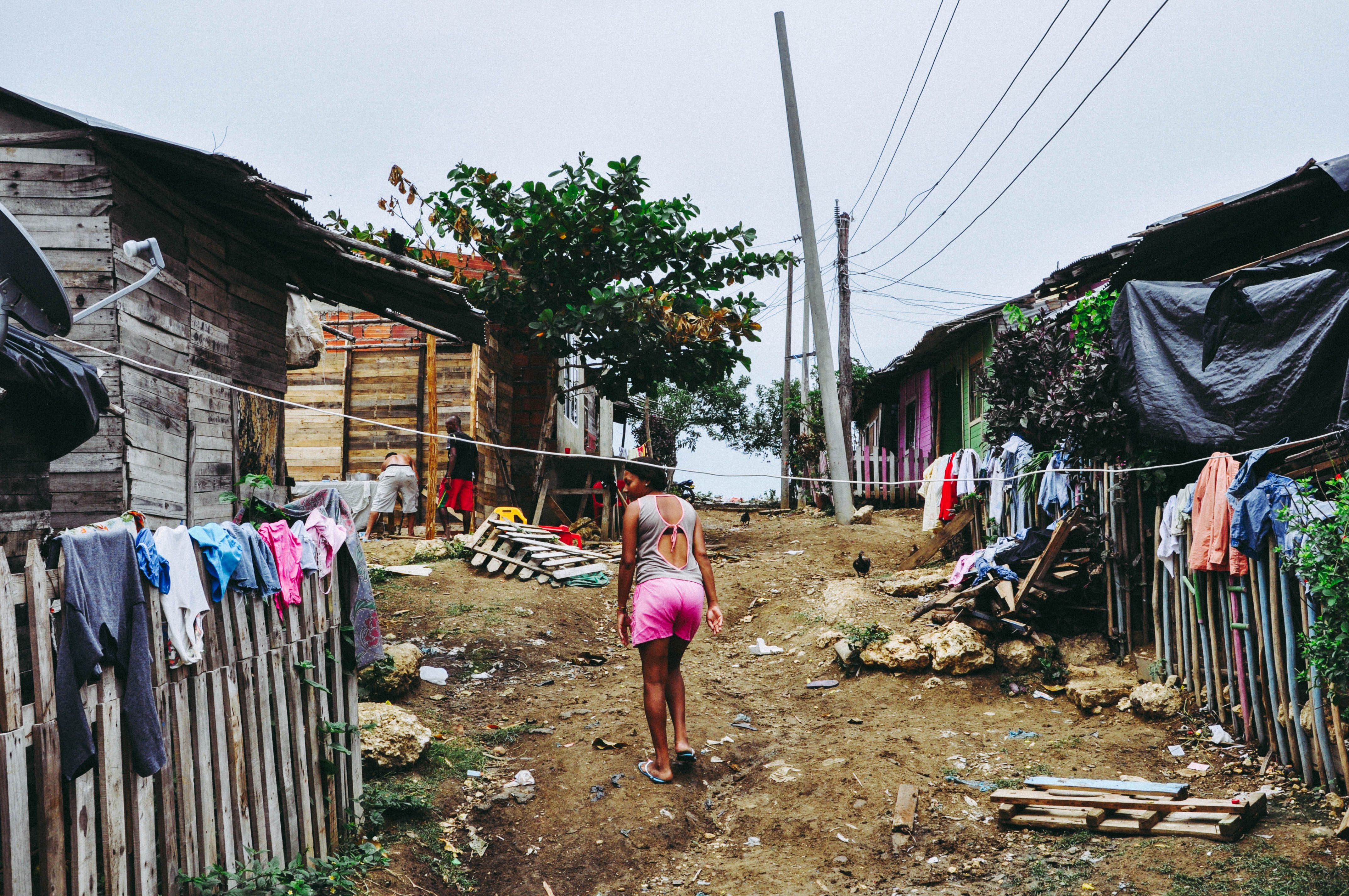
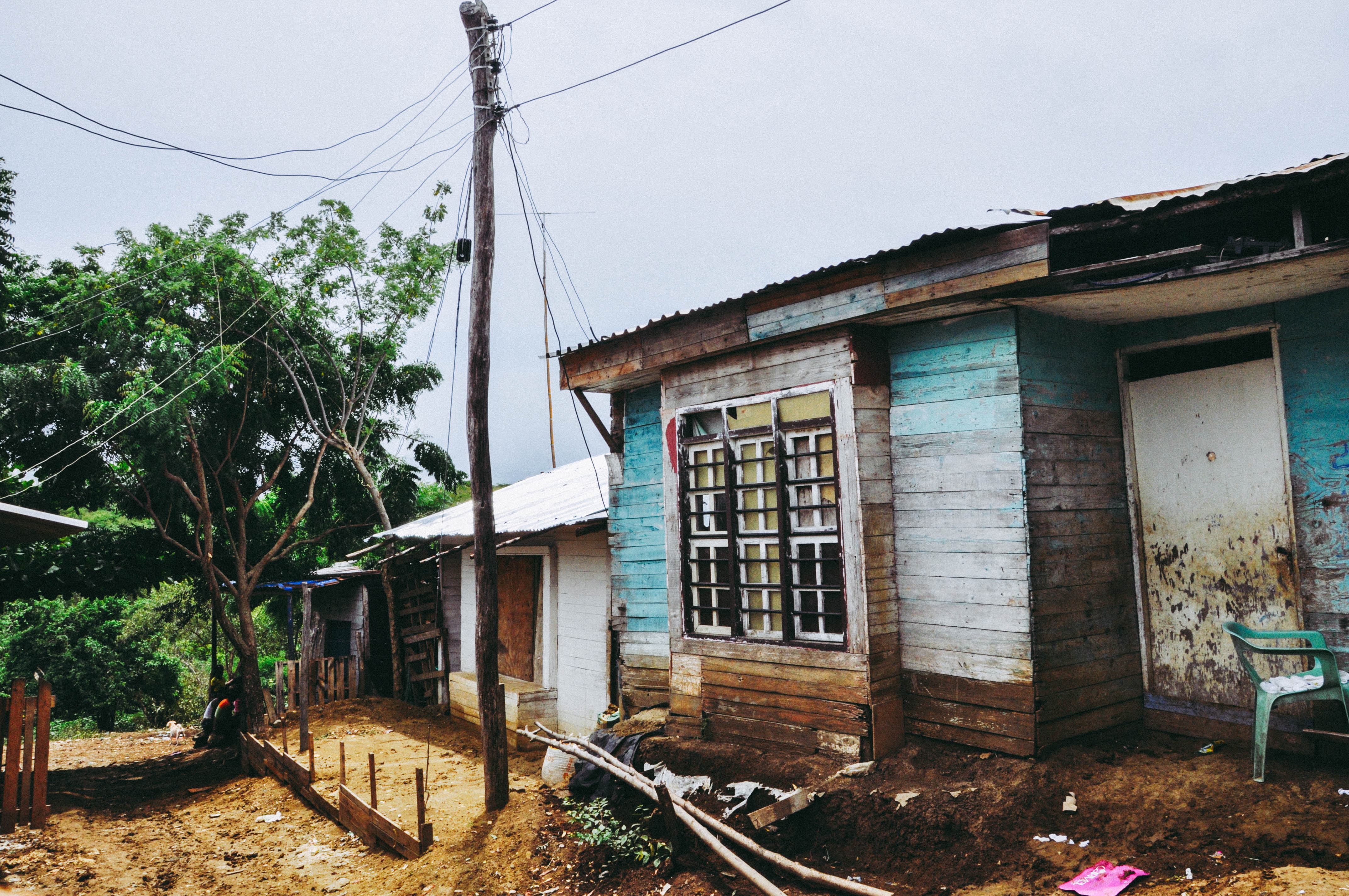
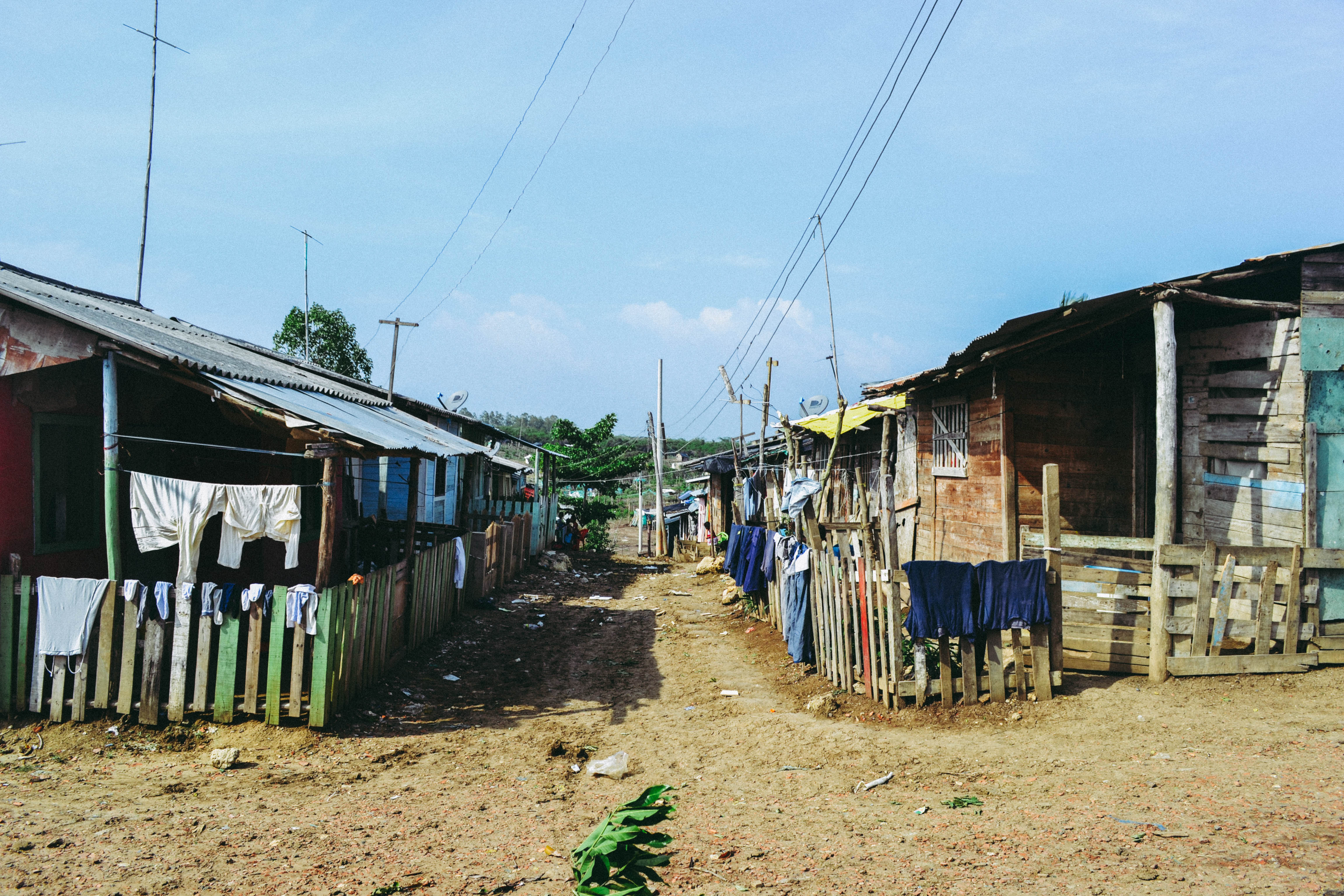
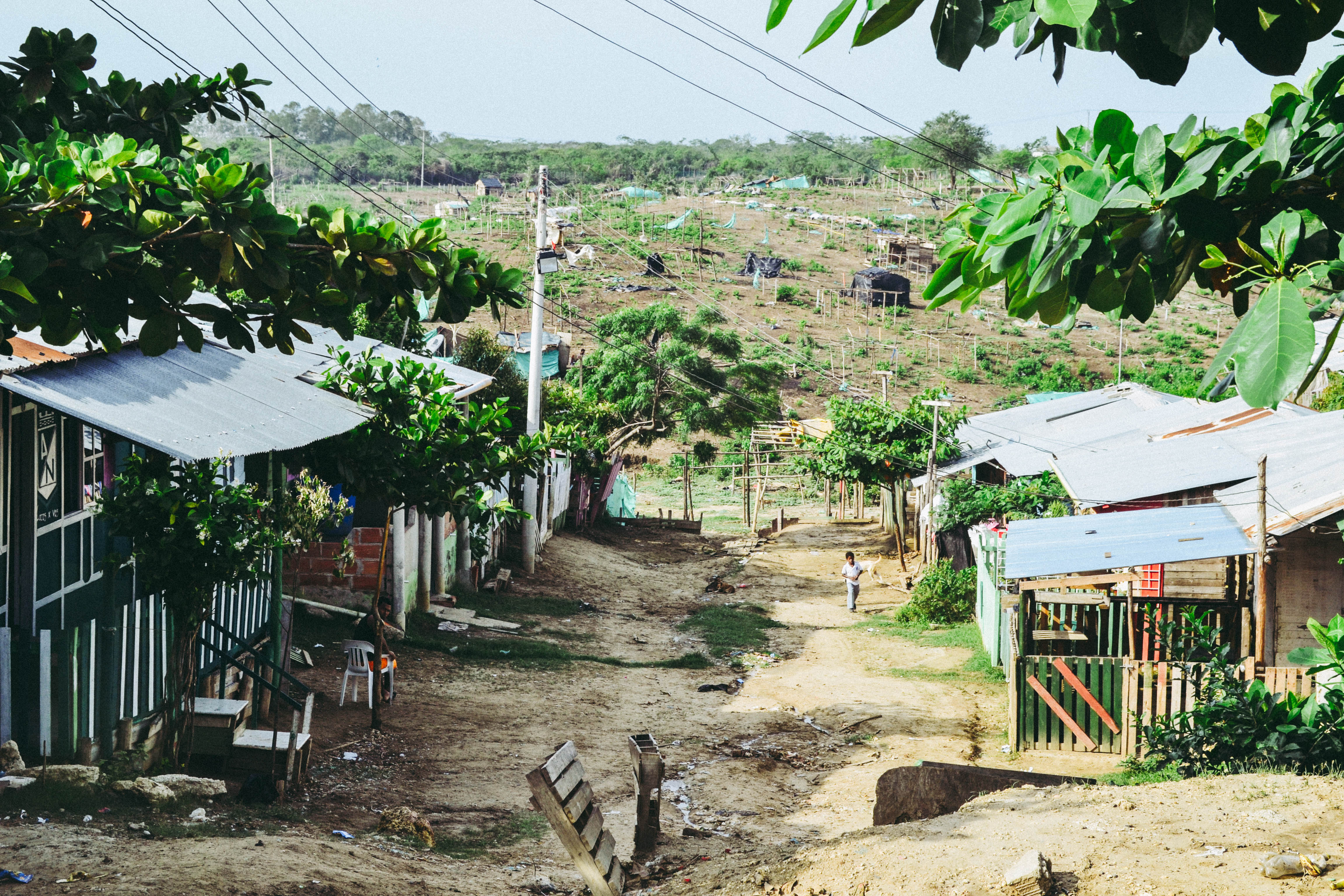
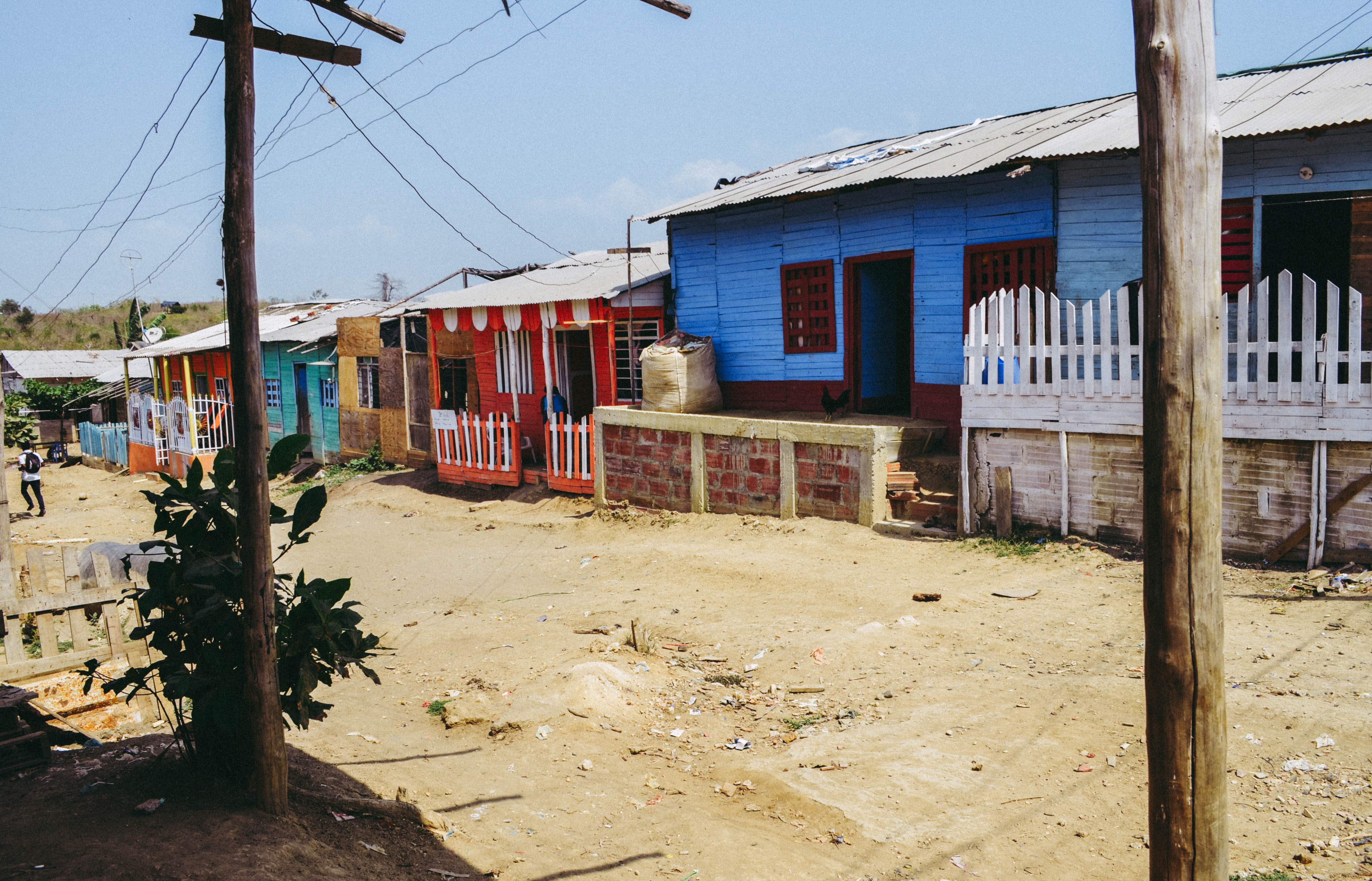
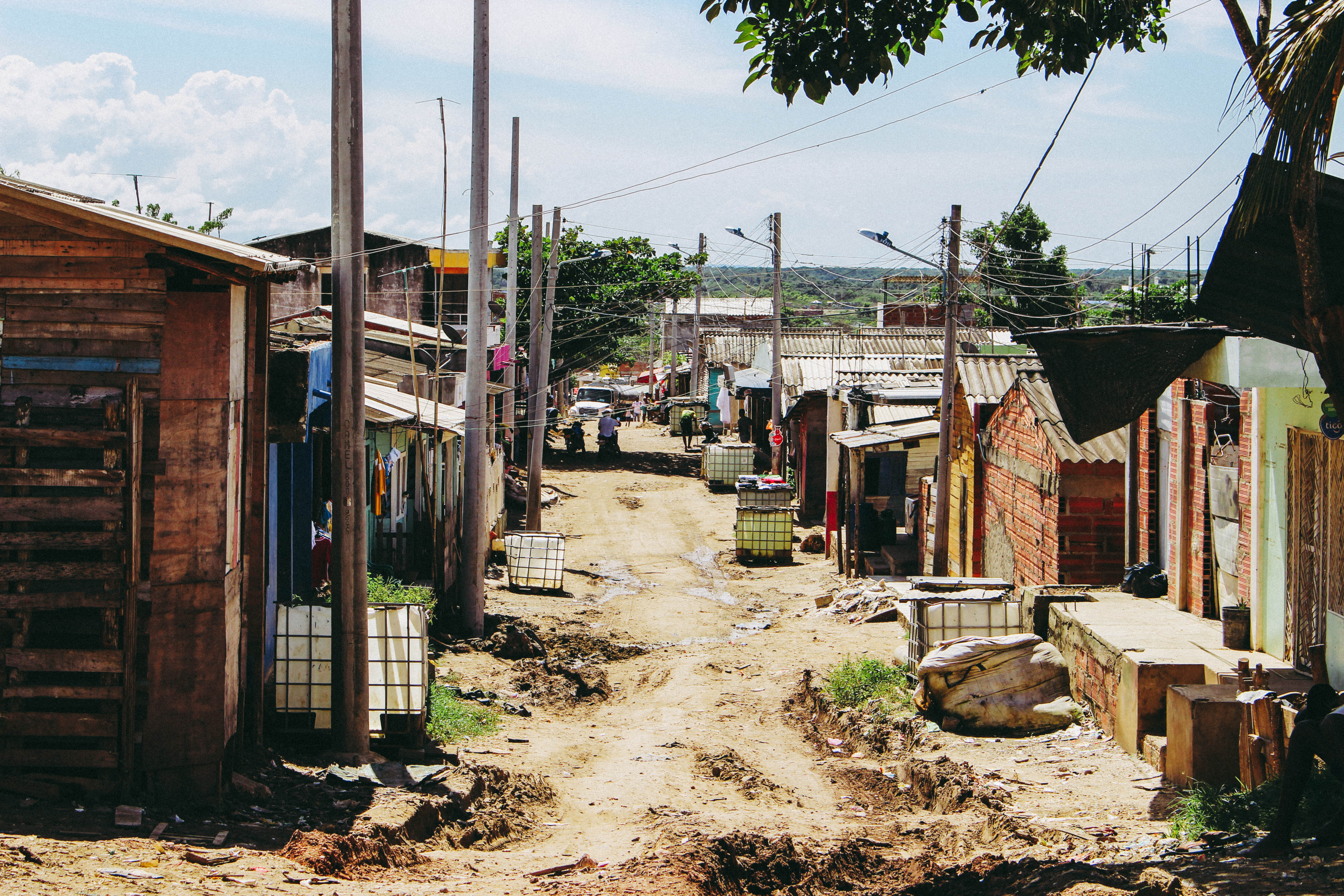
Little by little, the wooden houses are being replaced by brick homes. Asphalt and gas pipelines have been installed on the main road, so that soon people will no longer have to carry heavy gas cylinders.
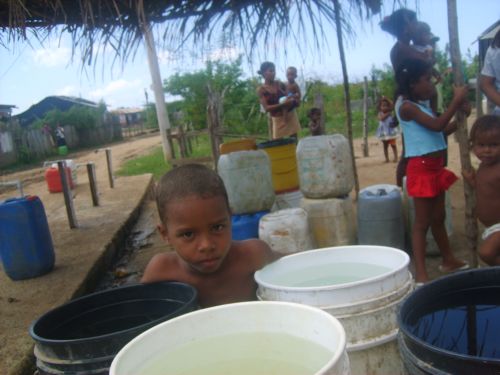
An important step forward was the guarantee of access to electricity through power lines. In addition, the government has already committed to improving the water supply situation: until now, there is still no legal connection to the main water pipeline (tubo madre). The population depends on a water truck that arrives several times a week to refill the water containers of the homes.
After years of waiting, without losing hope, and after numerous interventions by the municipal government, the day finally arrived when we can proudly announce: The inhabitants of Barrio Madre Herlinda Moises now have legal access to water. (See also: El Balsero!)


A matter of solidarity
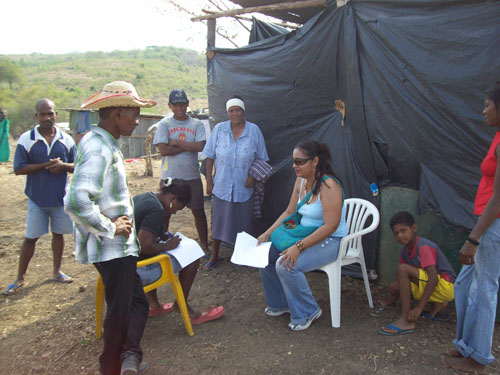
“We achieved all of this ourselves, without the help of the government. Through bingo events, raffles, and the support of Fundación Madre Herlinda Moises, we raised the money to finance the electricity service.” Dolores Maza Pájaro proudly emphasizes this when she tells me about the expansion of the electrical network in the neighborhood. She is one of the five provisional representatives of the neighborhood who take care of the residents and their needs.
Self-initiative and solidarity have been the cornerstones of the neighborhood from the beginning. Some young people occupied a piece of land, joined forces, and showed solidarity with others – independent settlers became an entire community. Dolores Maza Pájaro has lived here for 12 years and experienced firsthand all the initial difficulties of 2007 and 2008. She and another 100 people challenged rejection and abandonment by the State and overcame their precarious situation through their own efforts. It quickly became clear: everyone was working together toward the same goal. Everyone was a person in need, but they were left to their own fate by municipal institutions, without any support. So why not fight together? The people organized themselves through citizen initiatives and with the support of Fundación Madre Herlinda Moises. The population began to see itself as a community, and with the Foundation’s social support, a land titling process was initiated.
Another action that highlights the residents’ solidarity work is the supply of electricity; a clear example that sometimes it is better to lead actions voluntarily and participatively with the community rather than waiting for government projects. The inhabitants organized raffles and bingo events in 2010, and with the support of the Foundation and the proceeds obtained, the installation of the electrical network for the entire community was financed.
A reference point for leadership actions in this community is Mrs. Maza Pájaro. Everyone can approach her, and she always listens to people: Whatever their situation or concern may be, people come knocking on my door. “Unfortunately, this task is becoming increasingly difficult.” The neighborhood has changed a lot since 2014: “Previously, we were better off,” she added. Barrio Madre Herlinda Moises has also been affected by displacement and Venezuelan migration – Colombia continues to be the country with the largest number of internally displaced people in the world, and our district has become, due to its industrial area, a stronghold for displaced people and immigrants. Today, an average of 247 people live in this sector of the district.
“There are many new people,” says Maza Pájaro, who explains that they do not have the same sense of belonging as the first inhabitants of the neighborhood, especially because they did not experience the land occupation, the beginnings of the neighborhood, or the subsequent legalization process; shared experiences and achievements that turned the residents of the neighborhood into a true community. With the arrival of new residents, this sense of community was lost, and therefore solidarity has less value today than it did before.
A part of the population earns its livelihood through agriculture or fishing. However, the majority live from daily labor. This means “getting up every morning, taking a backpack and a water thermos to look for work at the landfill,” collecting copper or iron bars. According to Mrs. Maza Pájaro, there are companies in the industrial area near Pasacaballos that could offer employment opportunities, but they do not want to hire them because there is not enough trained workforce, as many of the young people are seeking alternatives through juvenile delinquency to support their children. Facing daily threats of this kind, alcohol and drug consumption also unfortunately affect the security situation, with frequent robberies and thefts. The latter has become the most growing problem in recent years, especially among young people.
For many years, they fought without progress for the installation of the drinking water network. Finally, a ray of hope arrived in 2018: Barrio Madre Herlinda Moises received a legal water connection. There are still difficulties with the water supply, since it is not yet pumped to the household faucets; however, even if many people do not see it this way, we have taken a step forward toward the future and toward meeting basic sanitation needs. Once the remaining difficulties have been resolved, we will plan a demonstration: Water March! Until then, a truck will continue delivering water every 8 days to meet the needs of the residents. In addition, the construction of a sewage system is planned for the future. Another positive project is the installation of gas pipelines, which is currently underway; we still depend on gas cylinders, but this situation will soon come to an end.
Many projects have been carried out in Barrio Madre Herlinda Moises. Behind all this development are the hopes of its inhabitants, who have always remained united through solidarity and, despite setbacks, have never become discouraged. After being abandoned by the State for more than ten years, it seems that the neighborhood will finally receive the attention it deserves. First of all, the expansion of infrastructure means that people are finally being granted their rights. In addition, this progress also represents an opportunity to improve the neighborhood’s reputation. Several organizations support the inhabitants with projects for children, sponsorships, or companies that also help with house construction. Mrs. Maza Pájaro received materials, for example, and the Pasacaballos brick factory donated blocks. Of course, Fundación Madre Herlinda Moises must also be mentioned here, as it has supported the inhabitants since the beginning and continues in this struggle. An example is the school, whose vision for the future is to make education the fundamental tool to overcome poverty in our community.
History
Pasacaballos is one of the most vulnerable communities in Cartagena de Indias. In Barrio Madre Herlinda Moises live the poorest people of Pasacaballos. Displaced people, poor families, and refugees come here – people who have nothing. And how could someone buy land where they can build a house, a home to sleep, shower, and live, when they have absolutely nothing?
This is the beginning of the story of a land occupation by different people who saw no other option than to fight together for their lives.
The Begining in n 2007
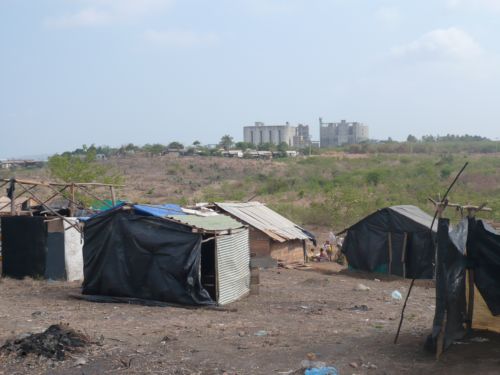
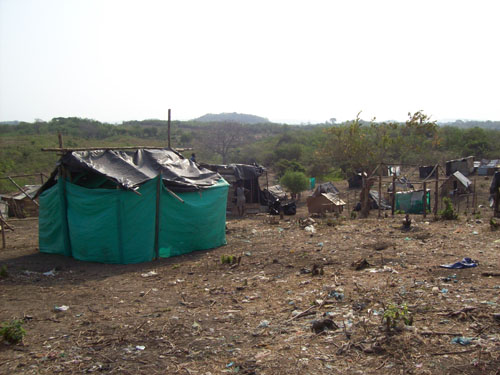
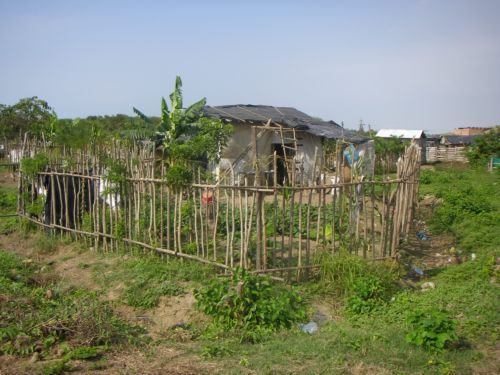
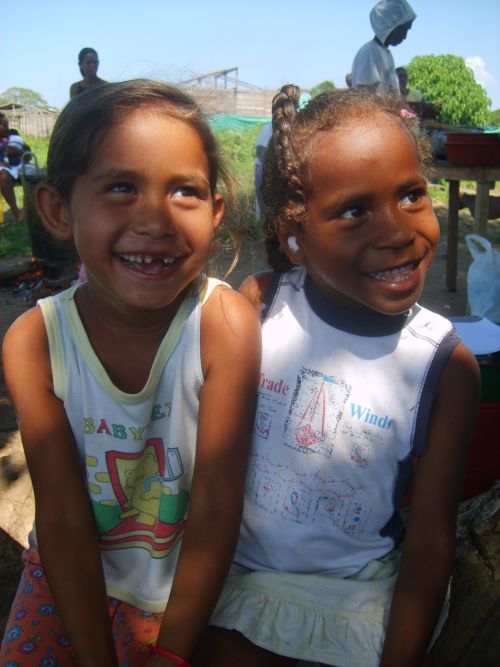
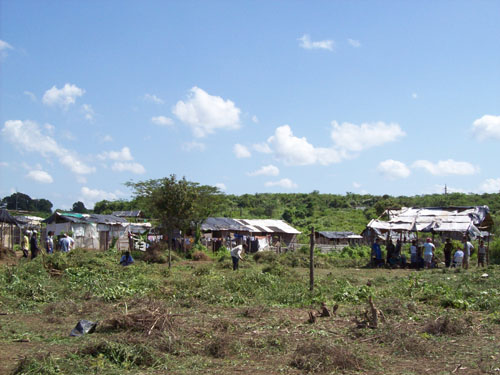
In order to build a new life, some people occupied a territory outside Cartagena de Indias. Their simple homes were built with wood, metal sheets, and plastic materials.
August/september 2007
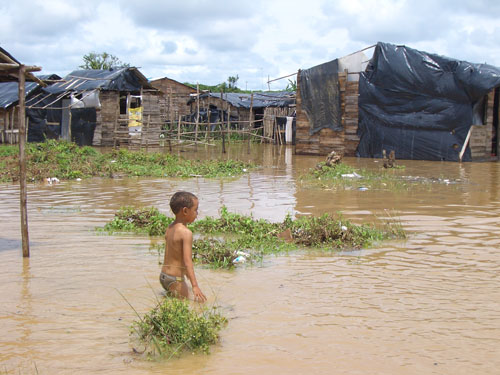
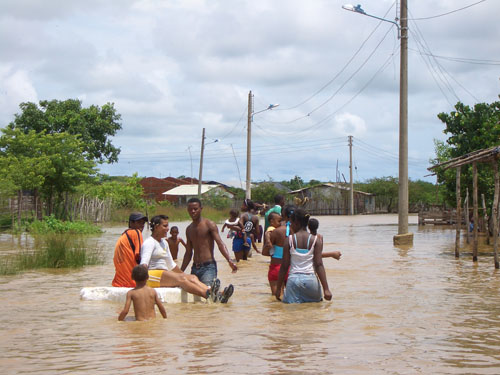
During the rainy season, the occupied territory became flooded. Fundación Madre Herlinda Moises (at that time Fundación Social Cristiana – Funscri) provided first aid and, in addition to medical assistance, offered food supplies.
October 2007
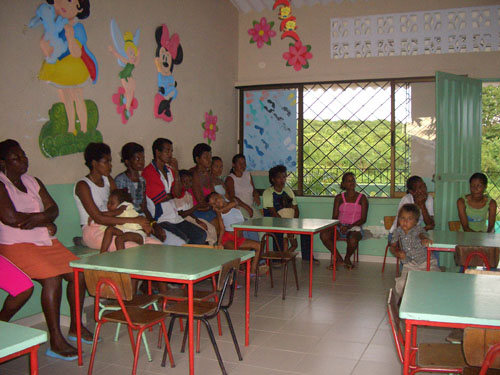
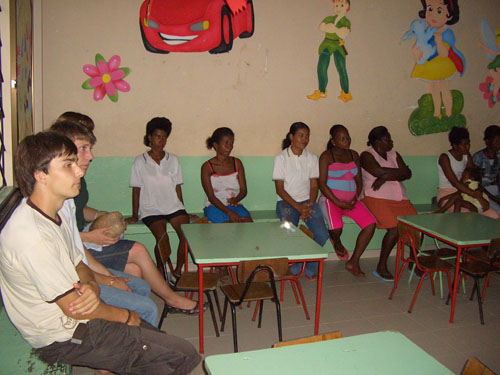
The Foundation took responsibility for the crisis in the occupied territory. With its support, the first stage of conversations began. By speaking with the inhabitants and their leader, it supported the work they were carrying out to improve their living conditions. Among other issues, discussions were held regarding their wishes and needs, the change of the name to “Barrio Madre Herlinda Moises,” as well as the proposal to provide public-use land for facilities such as a sports field, school, square, church, and others.
November 2007
The alleged owner threatened to evict the inhabitants from the territory
December 2007
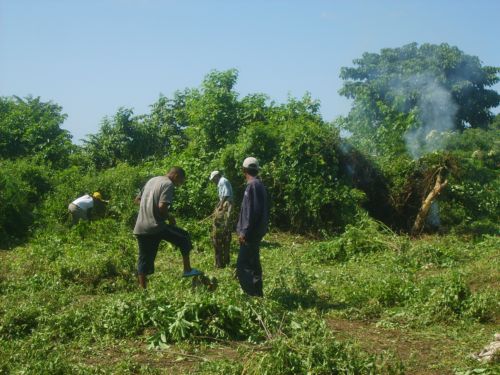
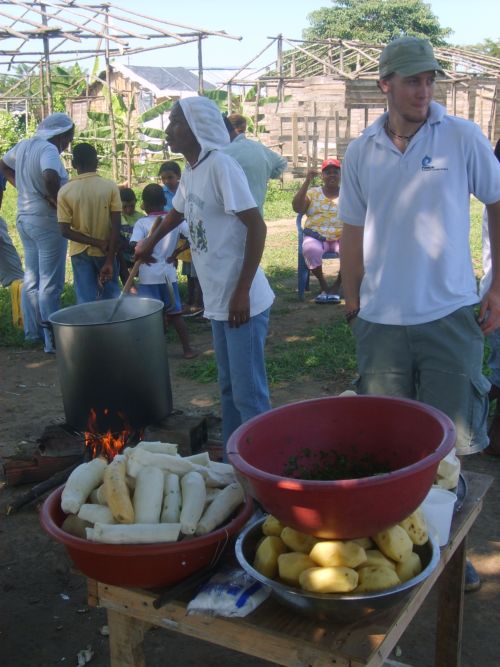
The first activity to clean and organize the neighborhood was carried out with a traditional sancocho gathering. During this event, a dispute arose with the lawyer who was supposed to provide legal support to the inhabitants in their efforts to legalize the land. In addition, the Foundation continued visiting the families, holding conversations about completing the cleaning of the territory and the measurement of the public land.
January 2008
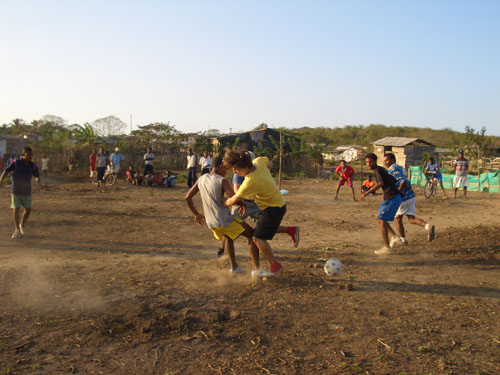
Because the population was made up of displaced people and refugees from different parts of Colombia, there was still a long way to go before building a trusting community. Conflicts and misunderstandings occurred frequently. Therefore, the Foundation attempted to mediate between the conflicting parties. For example, it donated a soccer ball and organized a championship with the inhabitants of the neighborhood. Children and young people showed great interest, and participation was very high.
Despite everything, the first rumors of a police eviction began to appear
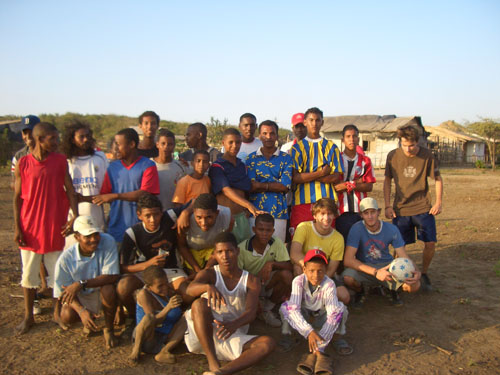
February 2008
A second soccer match organized by the Foundation took place, supervised by 100 armed officers.
The police attempted to evacuate the occupied territory. Due to the strong resistance from the population, this attempt was unsuccessful. The inhabitants continued collecting signatures and wrote a letter to the mayor including several demands.
Shortly afterward, there was a second eviction attempt, this time successful. After the brutal eviction, the inhabitants built temporary shelters on the edge of the land. During frequent visits, the police continued destroying the new homes as well. At the same time, the Foundation continued its struggle and began publishing information in Austria, Germany, and other countries.
Soon, a support campaign was created to provide food and medicine. It was discovered that the lawyer who was supposed to defend the land possession rights of the inhabitants had been bribed by the alleged owner. This act of corruption made the eviction of the occupants possible.
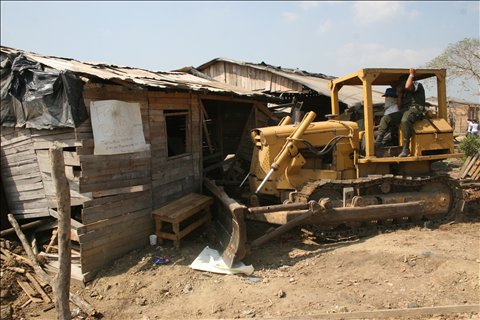
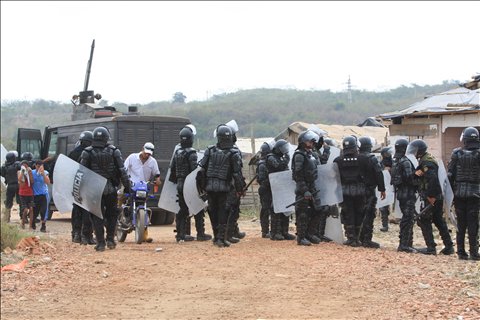
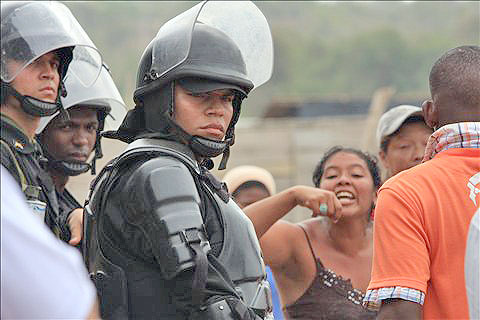
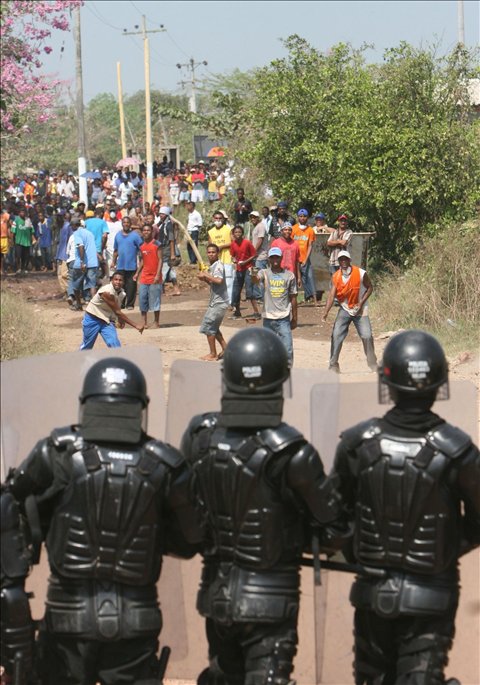
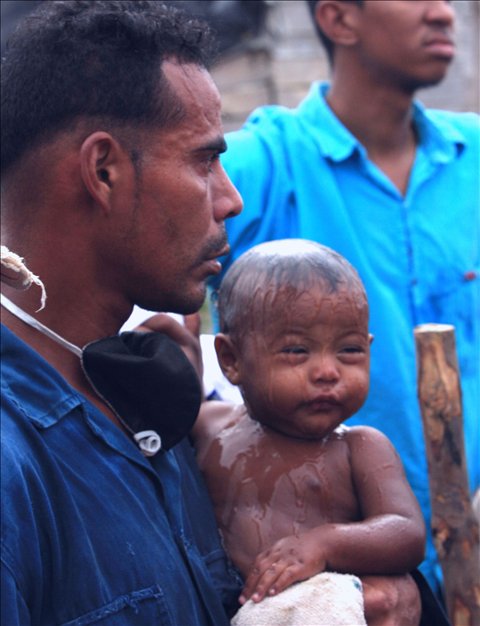
Los displaced people protested in front of the Cartagena City Hall. The mayor then invited them to a meeting at the Cultural Center of the Foundation and offered a bus for the return of the protesters to Pasacaballos.
The first meeting with representatives of the city administration and the inhabitants of Barrio Madre Herlinda Moises was held at the Foundation. An attempt was made to find a solution to the miserable living conditions. During this month and the following one, more meetings took place, and the Foundation involved a social worker.
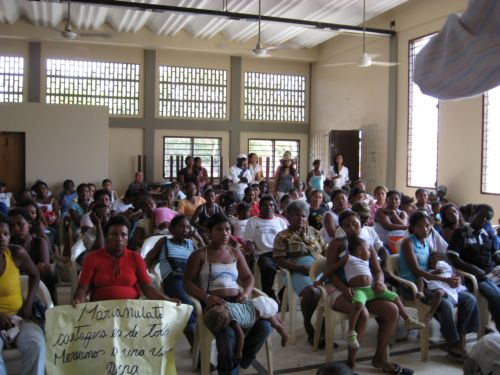
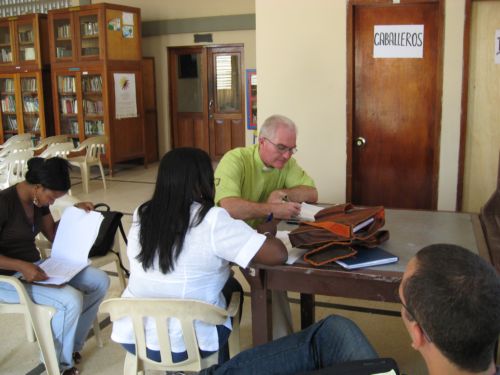
The Catholic Men of Austria (“Sei so Frei”) started a signature campaign to be sent to the mayor along with an official letter of protest. In the following days, different people in Germany and Austria sent letters of protest to those responsible for this disaster. The Colombian Navy and other authorities organized a health assessment for the affected people. The Red Cross carried out a census at four o’clock in the morning to register all the inhabitants of the neighborhood. This particular time was chosen so that fewer inhabitants would be present. This was necessary for the social programs of the city administration. As a result, many people protested, stating that they had gone to stay at their friends’ homes and therefore had not been registered because of the early hour.
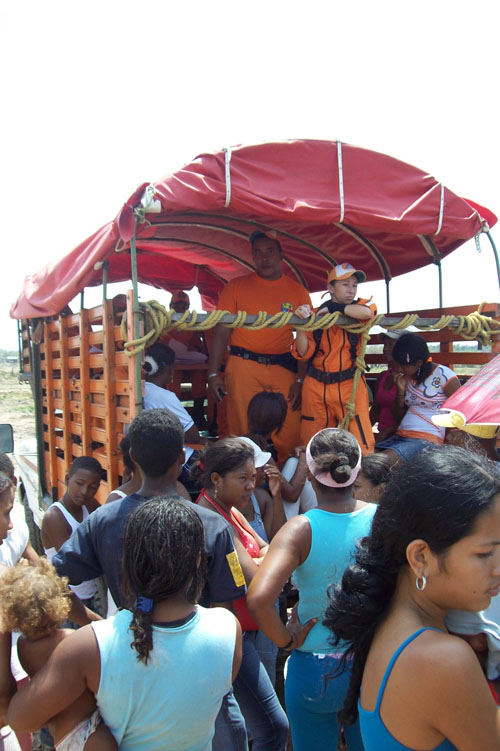

March 2008
During conversations with representatives of the city administration and the displaced people, it was accidentally discovered that there was an unoccupied piece of land near the settlement. This land belonged to the city of Cartagena de Indias.
According to Colombian law, this territory could not be provided to people without infrastructure (without connections to the electricity, water, or sewage networks). Despite this, the new land was occupied, and a neighborhood committee was elected. From that moment on, these representatives were responsible for defending the interests of the inhabitants in a fair manner. In addition, a lawyer had been hired to legalize the occupation of the land.
Unfortunately, during another police operation, gasoline was poured onto the temporary shelters in order to burn them down again. In a meeting with the neighborhood committee and several representatives of the city administration, the authorities assured that there would be no further intervention regarding evictions during the following five months. The land had not been granted or promised, but during this five-month period a reasonable solution had to be found.
The people organized themselves into teams dedicated to different areas such as health, education, recreation, and others.
April 2008
The city administration organized further training for the inhabitants, especially for the members of the work teams, focusing on teamwork, solidarity, support for others, and communication classes, in order to create productive and peaceful cooperation.
The Catholic Men visited Barrio Madre Herlinda Moises and brought greetings and moral support. At the same time, the ORF (an Austrian radio broadcaster) recorded interviews with the inhabitants. A local television channel in Austria reported on the visit of the Catholic Men and the ORF coverage.
There, the mayor also acknowledged that the procedure carried out in the case of Barrio Madre Herlinda Moises had been inappropriate and full of errors. The protests in Austria, Germany, and among the residents of the neighborhood itself provided significant support and had a great impact.
The Foundation attempted a second census to register all the people living in the neighborhood. In addition, a survey was conducted to clarify common needs and problems.
At this time, approximately 170 families were living in temporary shelters in Barrio Madre Herlinda Moises.