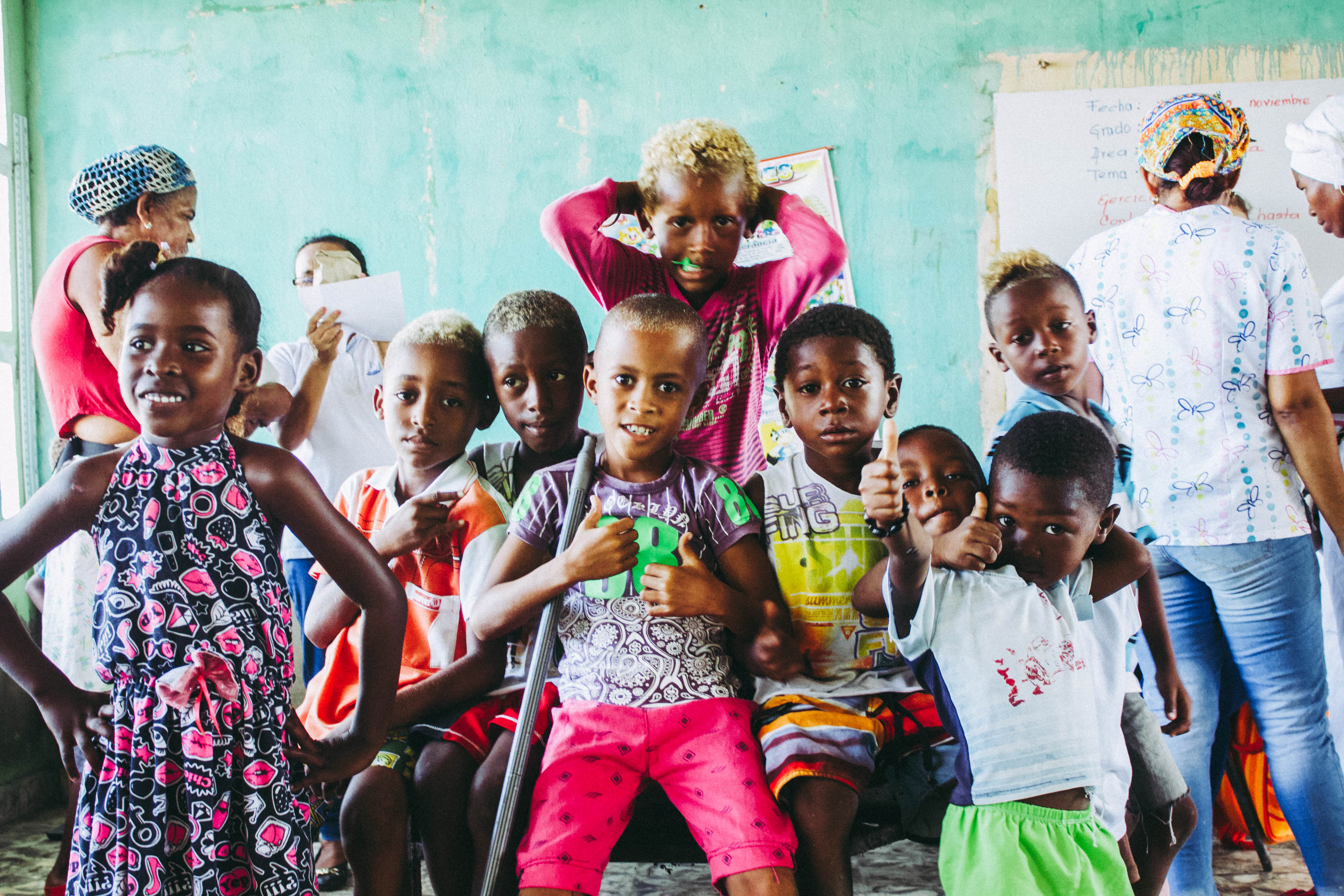
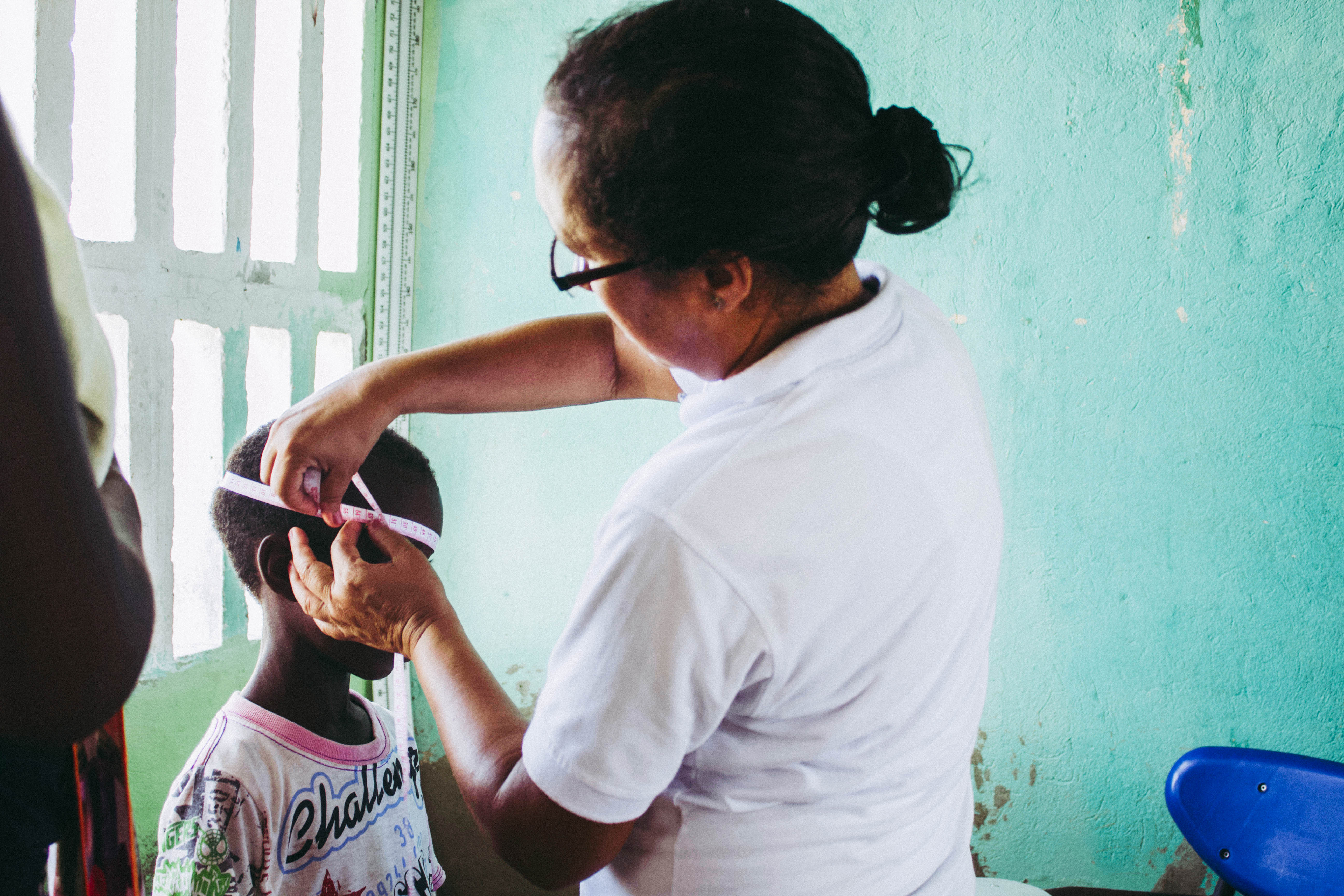
Boca Cerrada is one of the most isolated communities in the area of influence of Fundación Madre Herlinda Moises. For many years, we have visited the community of this village to work with them in the areas of healthcare and environmental education.
The village officially belongs to the Department of Sucre and is located at the mouth of a channel of the Canal del Dique that flows into the open sea. It is approximately four hours away by boat from the port of Pasacaballos.
A total of 120 families are part of the community. The vast majority of them make a living from fishing in the sea, as well as in the branches of the Canal del Dique and several marshes near the village. The fishermen support their families by selling different types of fish, seafood, and snails at the Cartagena market.
When the wather rises...
It is easy to understand that the water surrounding the village is the foundation of life for the population of Boca Cerrada. At the same time, the water hides many dangers that threaten the very habitability of Boca Cerrada.
The location of the small houses so close to the beach and the mouth of the channel results in Bocacerrada being regularly exposed to flooding and rising waters.
As a direct consequence of climate change and the rise in sea level that it brings, this phenomenon has become increasingly serious in recent years. During rainy seasons, the water often rises so much that all the streets become channels, and the houses closest to the beach become uninhabitable.
In an extreme situation in 2016, the floods were so severe that they destroyed a large number of homes. To this day, the original location of many houses remains permanently under water, and the sea continues to push the village further inland. The families’ own initiatives, such as building improvised dikes with rice sacks filled with soil, have little effect and are not a long-term solution.
The Government of Sucre has not shown much interest or support for the village and the “dead-end” situation in which Boca Cerrada finds itself.


But the people of Boca Cerrada do not give up. A few months ago, the process of clearing Caño Rico began. This branch of the Canal del Dique had been inaccessible for many years due to an invasive type of mangrove. These plants blocked the channel from the main Canal del Dique, preventing the fresh water from reaching the part of the channel where Boca Cerrada is located.
The inhabitants recall times from the past: “Before, we had fresh water right here! We even grew crops – cassava, plantain…”
Today, in order to obtain drinking water, it is necessary to travel for hours by boat to collect water from the Canal del Dique. The quality of this water is extremely concerning.
To solve this problem, they took their shovels and machetes, and women, men, and children spent days cutting mangrove plants, making it possible for the first streams of fresh water to begin flowing through Caño Rico.
The people who pushed this process forward were a group of determined women. They took the future of Boca Cerrada into their own hands and motivated their children, friends, and husbands to become involved and help bring agriculture and fresh water back to the community.
They had already shown this same motivation when they created their group, whose original objective was to fight plastic waste pollution in the village streets. Due to the lack of a garbage collection system, thousands of plastic bottles and containers filled the yards, streets, and waters of Bocacerrada. Through pigs in the yards and fish in the water, these plastics entered the food chain until the women came together and began sweeping and cleaning the village.
At the moment, they have no other option but to burn the collected waste, once again producing toxic substances and pollution.
But the commitment of these women – and of the entire community – is a step in the right direction.
Throughout this entire process, the Bocacerrada community has the support of Fundación Madre Herlinda Moises.
Through health campaigns and recreational activities for young people and children, we seek to improve the quality of life of the inhabitants and guarantee the permanence of this community.